The term "waterproof screws" is widely used in trade and retail contexts, but it is worth being precise about what it actually means. No screw is impervious to water in an absolute sense — what differentiates a waterproof or water-resistant screw from a standard one is its ability to resist corrosion when exposed to moisture, humidity, rain, or submersion over time. Un șurub standard din oțel moale va începe să ruginească în câteva zile când este lăsat în aer liber în condiții umede. A properly specified waterproof screw, by contrast, can maintain structural integrity and a clean appearance for years or even decades in the same environment.
The resistance comes from two sources: the base material from which the screw is made, and any surface treatment or coating applied to it. Understanding both factors is essential for selecting the right fastener for any wet or outdoor application — whether that is decking, marine hardware, roofing, bathroom fittings, or exterior cladding.
Material selection is the single most important factor in determining how well a screw will perform in wet conditions. Several base materials are commonly used, each with different performance characteristics and price points.
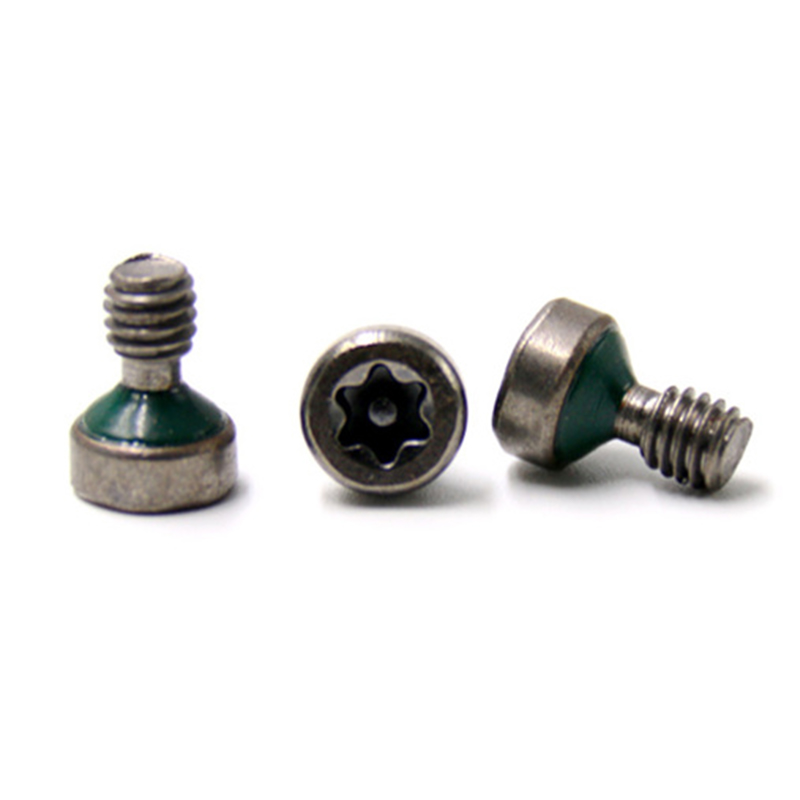
Stainless steel is the most widely specified material for waterproof screws across construction, marine, and food-grade applications. Its corrosion resistance comes from a chromium oxide layer that forms naturally on the surface and self-repairs when scratched. The two grades most relevant to fastener applications are 304 and 316. Grade 304 stainless steel performs well in most outdoor and freshwater environments and is the standard choice for decking, garden structures, and general exterior joinery. Grade 316 adds molybdenum to the alloy, which significantly improves resistance to chloride attack — making it the correct choice for coastal environments, salt-spray exposure, swimming pool surrounds, and marine hardware.
Silicon bronze screws offer excellent corrosion resistance in marine environments and are particularly valued in traditional boat-building because they are compatible with wooden hulls without causing galvanic corrosion issues. They are softer than stainless steel, which makes them easier to drive without snapping in hardwoods, and they develop an attractive patina over time. Silicon bronze is not appropriate for use with aluminium or carbon fibre components due to galvanic incompatibility.
Galvanised screws are made from carbon steel with a zinc coating applied either by hot-dip galvanising or electroplating. Hot-dip galvanised screws have a thicker, more durable zinc layer and are suitable for treated timber, fencing, and structural outdoor applications. Electroplated (bright zinc) screws have a thinner coating and are better suited to sheltered or semi-exposed conditions rather than prolonged direct weathering. Galvanised screws are more cost-effective than stainless steel but have a finite service life in aggressive environments as the zinc coating gradually sacrifices itself to protect the steel beneath.
A range of proprietary polymer and ceramic coatings are applied to carbon steel screws to enhance corrosion resistance. Products such as Dacromet, Geomet, and various epoxy powder coatings provide meaningful improvement over bare steel and can outperform standard electroplated zinc in salt-spray testing. These coatings are particularly common on roofing screws and decking screws where a specific colour match or ACQ timber treatment compatibility is required. The limitation is that the coating can be damaged at the drive recess during installation, exposing bare steel at the most vulnerable point.
The table below summarises the key differences between common waterproof screw materials to help with selection:
| Material | Rezistenta la coroziune | Cel mai bun pentru | Cost relativ |
| Oțel inoxidabil 304 | Very Înalt | General exterior, terase, tamplarie | Medium–Înalt |
| Oțel inoxidabil 316 | Excelent | Zone marine, de coastă, piscine | High |
| Bronz siliconic | Excelent | Constructii de ambarcatiuni, structuri marine din lemn | High |
| Hot-Dip Galvanised | Bun | Cherestea de structura, imprejmuire, sarpanta | Low–Medium |
| Oțel carbon acoperit | Moderate–Good | Acoperiș, acoperiș din lemn tratat ACQ | Low–Medium |
Materialul potrivit este doar o parte a procesului de selecție. Head type, drive recess, thread form, and point style all affect performance in wet-environment applications. Here is how to approach the most common scenarios:
Chiar și cel mai bun șurub rezistent la apă poate avea performanțe slabe dacă este instalat incorect. Câteva obiceiuri practice în timpul instalării fac o diferență semnificativă pentru performanța pe termen lung.
Excesul de conducere este una dintre cele mai frecvente erori de instalare. When a screw is driven too deep into a surface, the head pulls below the material face and creates a water-collecting depression around the fastener. În aplicațiile pentru acoperișuri, supraîncărcarea comprimă, de asemenea, șaiba EPDM până la punctul de distorsiune, reducând eficiența de etanșare. Setați corect ambreiajul șoferului și testați pe o bucată de deșeuri înainte de a lucra pe suprafața finală.
For applications where the screw hole itself must be sealed — such as through-bolting into a boat hull or penetrating a waterproof membrane — apply a marine-grade sealant or bedding compound around the fastener before driving it home. Produsele precum polisulfura sau etanșanții marini din poliuretan rămân flexibile după întărire, găzduind mișcarea care are loc cu dilatarea termică și vibrații fără a crăpa etanșarea.
Când utilizați șuruburi din oțel inoxidabil în piulițe din oțel inoxidabil sau inserții filetate, aplicați un compus anti-gripare pe filete înainte de asamblare. Contactul inoxidabil pe inoxidabil sub sarcină provoacă uzură - o formă de sudare la rece în care firele se îmbină, făcând dispozitivul de fixare imposibil de îndepărtat fără găurire. Aceasta este o problemă deosebit de costisitoare în hardware-ul maritim, unde este necesară dezasamblarea periodică pentru întreținere.
Waterproof screws nu sunt complet lipsite de întreținere, în special în mediile dure de coastă sau industriale. Oțelul inoxidabil, în ciuda rezistenței sale la coroziune, poate dezvolta pete la suprafață sau sâmburi localizate dacă se permite să se acumuleze pe el materie organică, depuneri de sare sau anumite substanțe chimice. Curățarea periodică cu un detergent ușor și clătire cu apă proaspătă îndepărtează aceste depuneri și menține stratul de oxid pasiv care conferă inoxidabilului rezistența. În mediile marine, o inspecție anuală a tuturor elementelor de fixare expuse pentru semne de coroziune în crăpături - în special la interfața dintre capul șurubului și substrat - este o bună practică.
Șuruburile galvanizate utilizate în aplicațiile de lemn structural trebuie verificate periodic dacă ansamblul este accesibil, în special dacă lemnul a fost retratat sau expus la cicluri repetate de umezire și uscare. Atunci când orice element de fixare prezintă scurgeri vizibile de rugină, spărturi sau slăbire a materialului înconjurător, înlocuirea cu elementul de fixare inoxidabil de calitate adecvată sau acoperit îmbunătățit este cursul corect de acțiune - nu doar vopsirea peste zona afectată. Abordarea timpurie a coroziunii elementelor de fixare previne problema mult mai costisitoare a deteriorării structurale a lemnului cauzată de pătrunderea persistentă a umidității în jurul unui șurub defect.
DETALII DE CONTACT

Address:NU. 248-2 Changhongbei Road, orașul Luzhi, districtul Wu zhong, orașul Suzhou, provincia Jiangsu, China.
TEL:+86-13913588597
PRODUSE
Șuruburi cu model CD (periat satinat).
Șuruburi cu plasture din nailon (de blocare).
Șuruburi antifurt (securitate).
Șuruburi captive pentru panouri
Șuruburi impermeabile (autoetanșe).
Șuruburi din alamă și titan și aluminiu
Piuliță și șaibă și șurub cheie și arc
matrițe de laminare pentru matrițe și poanson
Șuruburi cu cap cu cap hexagonal
TERMINAL MOBIL




.jpg "Șurub personalizat din aliaj de titan cu cap semirotund")
.jpg "Micro-mini șuruburi cu cap înecat din oțel inoxidabil cu plasture din nailon")
.jpg "Nituri laterale duble din alamă solidă cu cap plat subțire pentru piele")
.jpg "DIN84 M4 din alamă șurub cu cap de brânză")
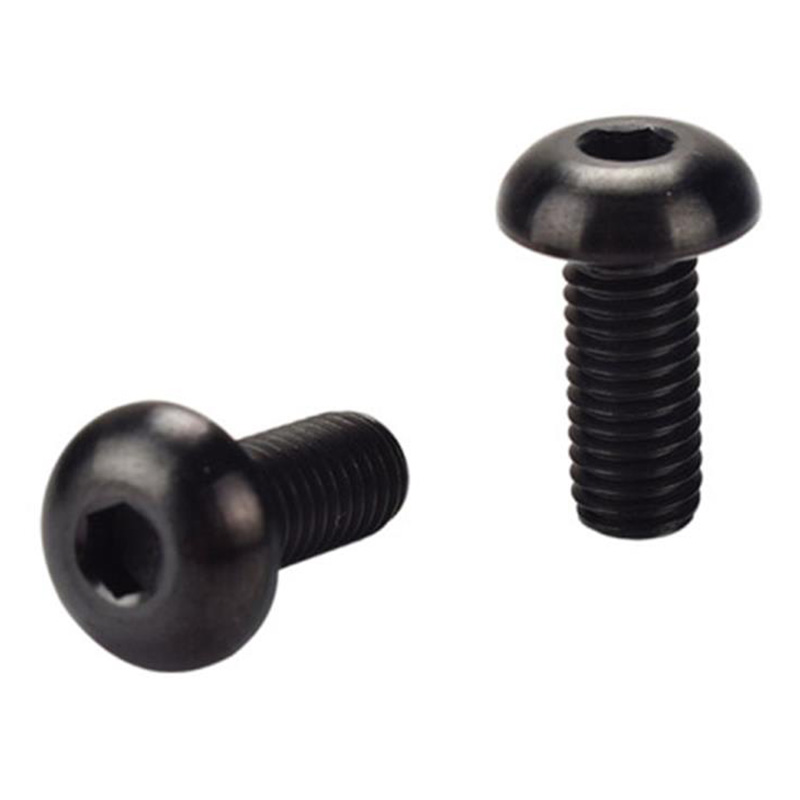
.jpg "Șurub din aliaj de titan torx cu cap buton de culoare personalizat")